
How to Build a Grooming Routine That Supports Health and Wellness
• 8 min read
A healthy grooming routine is more than an appearance checklist. It is a practical plan for personal hygiene, oral care, skin, hair, nails, comfort, confidence, and overall wellness—for men and women.

When life becomes busy, grooming and self-care can become inconsistent. The obvious daily tasks may get done, while a haircut, nail trim, razor replacement, dental appointment, skin check, or product restock is postponed again and again. The problem is not always motivation. Often, the routine has never been organized into the right schedule.
A useful personal grooming routine separates what should happen every day from what belongs on a weekly, monthly, seasonal, or appointment-based calendar. That makes the plan realistic, easier to follow, and flexible enough for different bodies, hair types, skin needs, lifestyles, and personal preferences.
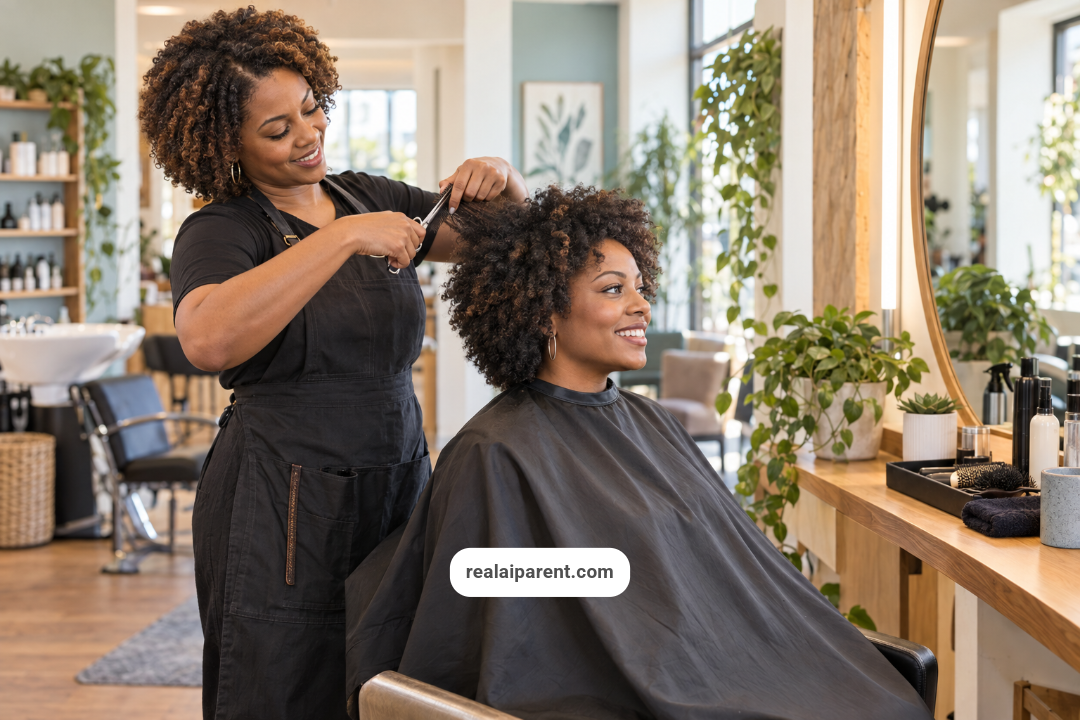
A good routine helps a person feel clean, comfortable, prepared, and confident. It does not require expensive products, rigid beauty standards, or identical routines for men and women.
Why personal grooming is part of health and wellness
Personal grooming overlaps with hygiene, preventive care, self-respect, and emotional well-being. The Centers for Disease Control and Prevention describes personal hygiene as practices that include washing the body and hair, washing hands and feet, grooming nails, keeping the face clean, and managing menstrual hygiene. These habits can help people feel fresh and healthy.
Grooming can also create useful moments to notice changes. While washing, shaving, moisturizing, brushing hair, or trimming nails, a person may see persistent irritation, unusual skin changes, dental problems, hair loss, nail changes, or another concern worth discussing with a qualified professional.
The wellness benefit is not limited to physical care. A short morning routine can create a calmer start to the day. An evening hygiene routine can help mark the transition from work to rest. Preparing for an interview, date, presentation, trip, or important event can reduce last-minute stress because the basic care has already been planned.
What to include in a daily grooming routine
A daily grooming routine should be simple enough to repeat. The exact steps depend on the person, but a practical personal hygiene checklist may include:
- Washing the face and body based on activity level, climate, skin needs, and professional guidance
- Washing hands at appropriate times and keeping fingernails clean
- Brushing teeth in the morning and evening and cleaning between teeth as recommended
- Applying deodorant or antiperspirant if desired
- Changing into clean clothes, underwear, and socks
- Following a simple skin-care routine suited to the individual
- Combing, brushing, styling, or protecting the hair as appropriate
- Caring for facial hair or shaving when it is part of the person’s routine
- Using menstrual-care or other personal-care products when needed
- Cleaning and storing contact lenses, dental appliances, razors, or grooming tools correctly
Oral health deserves a dependable place in the routine. The American Dental Association recommends brushing twice a day with a soft-bristled toothbrush and ADA-accepted fluoride toothpaste. Individual dental needs can vary, so a dentist can recommend an appropriate plan.

Sun protection can also be part of morning skin care. The American Academy of Dermatology recommends broad-spectrum, water-resistant sunscreen with SPF 30 or higher for skin not covered by clothing, together with shade and protective clothing.
Not every grooming and wellness task is daily
This is where many personal care plans break down. Some tasks happen too infrequently to become automatic, yet often enough to matter. If they live only in memory, they are easy to miss.
- Daily: oral care, clean clothing, hand hygiene, basic skin care, and personal hygiene
- Several times a week or as needed: hair washing, shaving, beard care, hair removal, or workout-related care
- Weekly: nail check, grooming-tool cleaning, towel change, product check, or a longer self-care session
- Every few weeks: haircut, beard shaping, hair treatment, manicure, pedicure, or other personal services
- Monthly or seasonal: replace or deep-clean selected tools, review products, adjust for weather, and schedule upcoming appointments
- At professional intervals: dental cleanings, dermatology care, eye care, and other health appointments
These are examples, not universal rules. Hair texture, protective hairstyles, skin sensitivity, facial-hair preferences, disability, age, work environment, exercise, culture, budget, and medical needs can all change the ideal schedule. A good grooming plan is personal by design.
Grooming routine ideas for men and women
Men and women can use the same planning framework even when their individual tasks differ. Instead of starting with a gender label, start with the person’s actual needs: hair and scalp care, skin care, oral hygiene, facial hair, body hair, nails, menstrual care, makeup or cosmetic care, clothing, appointments, and wellness goals.
Scenario 1: A busy professional man
Marcus has an early commute and client meetings. His weekday morning routine needs to fit into 20 minutes: shower, oral care, deodorant, moisturizer and sunscreen, beard check, hair, and clean work clothes. His organizer schedules beard trimming every Sunday, a haircut every four weeks, razor replacement on a recurring interval, and a dental appointment reminder. The result is less decision-making before work and fewer rushed appointments before important meetings.
Scenario 2: A woman balancing work, family, and self-care
Elena completes basic hygiene, oral care, skin care, and hair preparation each day, but not every wellness task belongs in her morning. Her planner schedules hair washing based on her hair type and activity, a weekly nail-care check, recurring salon appointments, monthly product restocking, and time to clean makeup brushes and reusable tools. Separating these tasks from the daily checklist prevents the routine from becoming overwhelming.
Scenario 3: An active adult or athlete
Jordan trains several days a week. The grooming plan accounts for sweat, changing out of damp clothing, showering after workouts when appropriate, foot care, cleaning reusable equipment, washing workout clothes, and checking when skin or hair products need to be replenished. On rest days, the routine is shorter. The schedule follows the person’s activities instead of forcing every day to look the same.
Scenario 4: Preparing for an interview, wedding, date, or trip
Important events often create a cluster of time-sensitive tasks: schedule a haircut, refill prescriptions or personal-care items, prepare an outfit, trim nails, pack hygiene products, charge an electric grooming tool, and leave enough time for the usual routine. A calendar can work backward from the event date so everything does not land on the final evening.
Scenario 5: An older adult or someone who needs assistance
A simplified routine may use fewer steps, larger reminders, accessible products, and caregiver support for tasks such as nail care, hair washing, shaving, denture care, or appointments. The goal is to preserve comfort, dignity, independence, and safety—not to create a demanding beauty routine.
How to create a realistic grooming and self-care plan
- Start with essentials. List the hygiene and oral-care tasks that protect comfort and health.
- Add personal priorities. Include hair, skin, facial hair, nails, cosmetics, clothing, or other care that matters to the individual.
- Assign the right frequency. Mark each task as daily, certain days, weekly, monthly, seasonal, or appointment-based.
- Keep mornings and evenings manageable. Move longer tasks to a less rushed time.
- Prepare supplies. Add recurring reminders to clean, replace, or restock products and tools.
- Plan for exceptions. Adjust for workouts, travel, illness, weather, events, protective hairstyles, or changing health needs.
- Review the routine. Remove unnecessary steps and update the schedule when it stops fitting real life.
Why a planner, organizer, or calendar app matters
A mirror-side checklist may help with a morning routine, but it cannot manage the entire grooming plan. Many wellness and personal-care tasks are not daily. Some recur every few days, every few weeks, every season, or before a specific event. That makes a planner, organizer, or calendar app essential for staying on track without trying to remember everything.
The best system connects three layers: a short daily hygiene routine, recurring grooming tasks, and appointments or event preparation. A planning app can surface the right task on the right day, while a calendar provides visibility before time-sensitive appointments and events.
- Separate daily habits from weekly, monthly, and seasonal tasks
- Create recurring reminders without rebuilding the checklist
- Plan grooming tasks before interviews, travel, celebrations, or photos
- Track supplies that need to be cleaned, replaced, or reordered
- Organize routines for yourself or another family member
- Adjust the plan as schedules, preferences, or care needs change
Create a personal grooming routine with AI Parent
AI Parent can help adults and families turn a broad goal such as “improve my grooming routine” into a personalized health and wellness plan with practical tasks. You can organize daily hygiene, recurring self-care, and future appointments in one plan instead of relying on memory.
- Open AI Parent and go to the Planning page.
- Select the profile for the person who will follow the routine.
- Choose Wellness as the plan category.
- Describe the person’s schedule, grooming needs, preferences, and goals.
- Review the suggested tasks, personalize their timing, and save the plan.
- Use recurring tasks and calendar planning to keep non-daily care visible.
“Create a realistic personal grooming and wellness routine for a busy adult. Include a short morning and evening hygiene checklist, oral care, skin and sun care, hair or facial-hair care, weekly nail and tool cleaning, monthly product restocking, and reminders for recurring appointments. Keep the routine flexible for workouts, travel, and special events.”
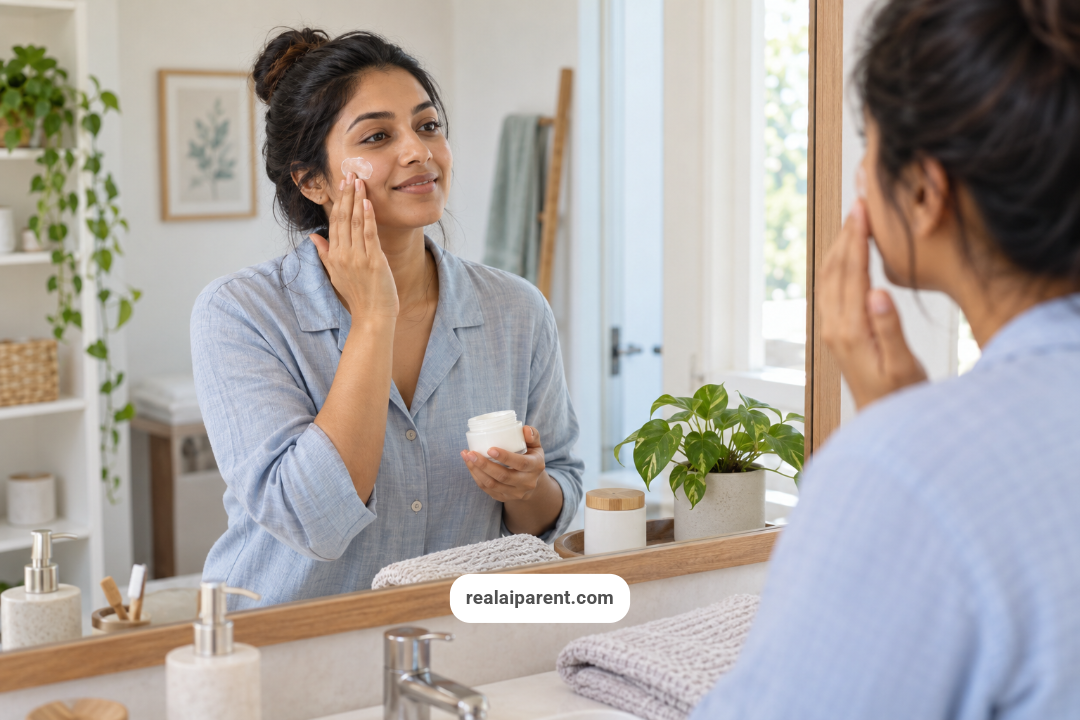
The most effective grooming routine is not the longest one. It is the routine that supports health, fits the person, and continues to work on ordinary busy days. Build the essentials first, schedule the tasks that are easy to forget, and let the plan change as life changes.
Create a Grooming and Wellness Plan with AI Parent
Frequently asked questions
What should a personal grooming routine include?
A personal grooming routine can include bathing, handwashing, oral care, clean clothing, deodorant if desired, skin care, hair and scalp care, nail care, shaving or facial-hair care, menstrual care, and recurring appointments. The exact routine should reflect the person’s needs and preferences.
Does every grooming task need to be completed daily?
No. Some personal hygiene tasks belong in a daily routine, while haircuts, nail care, tool cleaning, product replacement, dental visits, and other appointments may be weekly, monthly, seasonal, or scheduled at a personalized interval.
How can a planner app help with a grooming routine?
A planner app can separate daily habits from recurring tasks, schedule reminders, organize appointments, and make it easier to follow a grooming and wellness plan without keeping every interval in memory.
Health and grooming sources
- Hygiene Basics — CDC
- Brushing Your Teeth — American Dental Association
- Practice Safe Sun — American Academy of Dermatology
This article provides general educational information and is not a substitute for medical, dental, dermatology, or other professional advice. Individual hygiene and grooming needs vary. Seek qualified care for persistent irritation, pain, infection, unusual changes, or other health concerns.