Why Every Family Needs a Health and Wellness Plan
• 6 min read
A family health and wellness plan can turn goals for nutrition, exercise, sleep, mental health, and supportive relationships into practical routines for children, teens, and adults.
Modern life can make healthy living difficult. Busy schedules, financial pressure, processed foods, excessive screen time, poor sleep, social isolation, and limited physical activity can affect people of every age. Families may want healthier routines but struggle to decide where to begin or how to stay consistent.
Family wellness also includes balanced nutrition, regular exercise, restorative sleep, emotional stability, supportive relationships, stress management, and the ability to follow healthy daily routines.
Health and wellness challenges facing children
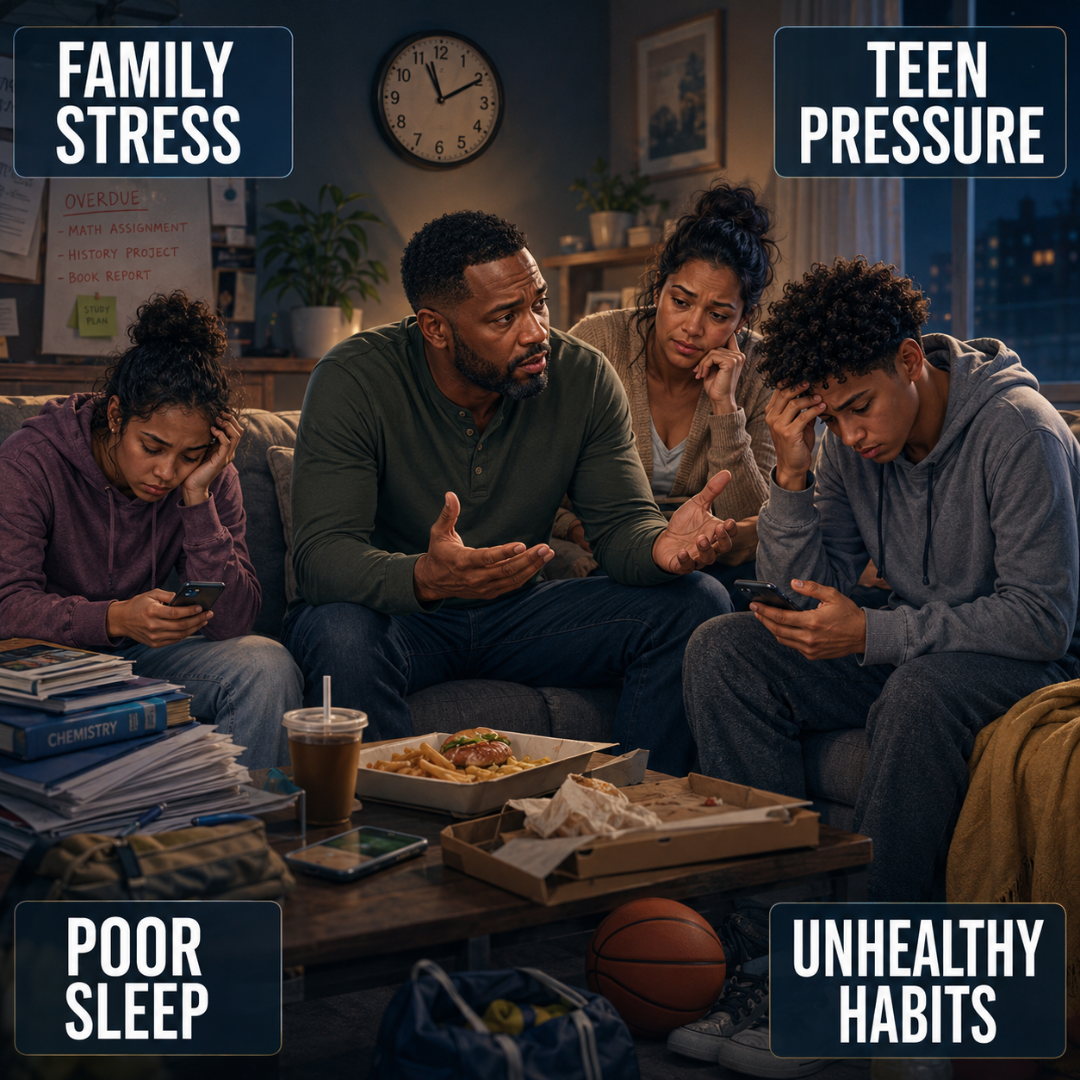
Children need structure, nutritious food, physical activity, adequate sleep, and emotional support. Without consistent routines, they may struggle with attention, behavior, anxiety, inactivity, unhealthy eating habits, or difficulty succeeding at school.
According to the Centers for Disease Control and Prevention, 11% of U.S. children ages 3–17 had a current diagnosed anxiety condition in 2023–2024. The CDC also explains that insufficient sleep can increase the risk of poor mental health, obesity, type 2 diabetes, injuries, attention difficulties, and academic problems in children and adolescents.
Healthy family habits established during childhood can create a stronger foundation for lifelong physical, mental, and emotional wellness.
Health and wellness challenges facing teenagers
Teenagers face academic pressure, changing relationships, social media exposure, uncertainty about the future, and the physical and emotional changes of adolescence. Some also experience bullying, loneliness, substance-use pressures, low self-esteem, or difficulty asking for help.
The CDC’s 2023 Youth Risk Behavior Survey found that 40% of U.S. high school students reported persistent feelings of sadness or hopelessness. Teens may also struggle to get enough sleep, exercise regularly, eat nutritious meals, disconnect from screens, or manage stress in healthy ways.
Consistent family support, positive activities, healthy boundaries, and achievable wellness goals can give teenagers a stronger sense of stability, belonging, and direction.
Health and wellness challenges facing adults
Adults often carry responsibility for work, parenting, household management, finances, and caregiving. When time and energy are limited, exercise, meal planning, sleep, relationships, and personal care can quickly become lower priorities.
In 2024, only 47.2% of U.S. adults met the federal guidelines for aerobic physical activity, according to a CDC National Center for Health Statistics report. Poor nutrition and physical inactivity are also recognized risk factors for obesity, heart disease, type 2 diabetes, stroke, certain cancers, and depression.
Adults need practical health and wellness routines that fit real life—not unrealistic expectations that create even more stress.
When the family home is dysfunctional or unstable
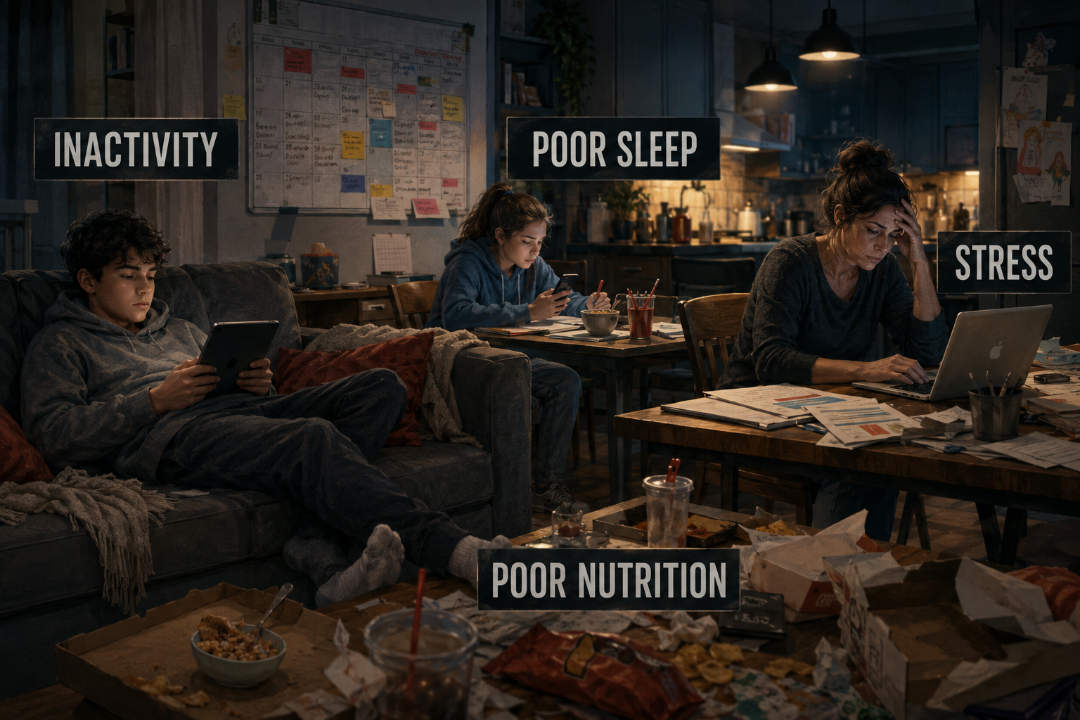
Health and wellness challenges can become harder in dysfunctional or unstable homes. Ongoing conflict, neglect, substance misuse, poor communication, inconsistent expectations, or a lack of emotional safety can affect every family member.
The CDC reports that adverse childhood experiences can have lasting effects on health, opportunity, and well-being. A wellness plan cannot solve every family problem, but predictable routines, shared responsibilities, healthy communication, and meaningful time together can help create more stability.
Families facing abuse, addiction, severe conflict, or a mental health crisis should seek qualified professional or emergency support when appropriate.
Why every family needs a health and wellness plan
Wanting to become healthier is a good beginning, but broad goals such as “exercise more,” “eat better,” or “reduce stress” can be difficult to maintain. A clear family wellness plan turns those intentions into manageable actions that can be scheduled, completed, and adjusted over time.
- Establishing consistent bedtime and morning routines
- Planning balanced meals, nutritious snacks, and family mealtimes
- Scheduling walks, workouts, sports, or outdoor activities
- Creating reasonable screen-time and social media boundaries
- Practicing relaxation, mindfulness, or other stress-management activities
- Making time for family communication and supportive relationships
- Tracking progress and adjusting health goals when family needs change
Small actions completed consistently can build meaningful change. A realistic plan also makes it easier for parents and caregivers to model healthy habits instead of relying only on reminders or good intentions.
Create a health and wellness plan with AI Parent
AI Parent helps children, teens, adults, and families create personalized health and wellness plans with practical tasks that can be completed one step at a time. A plan can focus on nutrition, exercise, sleep, stress management, emotional wellness, family routines, or a combination of goals.
- Open AI Parent and visit the Planning page.
- Select the child, teen, or adult profile for the plan.
- Choose Wellness as the plan category.
- Describe the health, nutrition, exercise, sleep, or family routine goals.
- Review the suggested tasks, personalize them, and save the plan.
“Create a family health and wellness plan with balanced meals, daily physical activity, consistent sleep routines, stress-management activities, reduced screen time, and a weekly family check-in. Make the tasks practical for our schedule.”
Whether the goal is to improve sleep, become more active, prepare healthier meals, manage stress, or strengthen family routines, having a plan makes it easier to begin—and keep moving forward.
Create a Health and Wellness Plan with AI Parent
Health and wellness sources
- Data and Statistics on Children’s Mental Health — CDC
- 2023 Youth Risk Behavior Survey Results — CDC
- Aerobic Physical Activity Among Adults Age 18 and Older — CDC
- About Adverse Childhood Experiences — CDC
This article provides general educational information and is not a substitute for professional medical, mental health, nutrition, or emergency guidance. Consult a qualified professional about individual health needs.